

Maintaining Your Home Electrical System: A Practical Guide
- J.D.ElectricalContractor LLC
- Jan 20
- 2 min read

Keeping your home's electrical system in good shape is essential. It ensures safety, efficiency, and prevents costly repairs. I will share clear steps and tips to help you maintain your electrical system effectively.
Understand Your Electrical System Basics
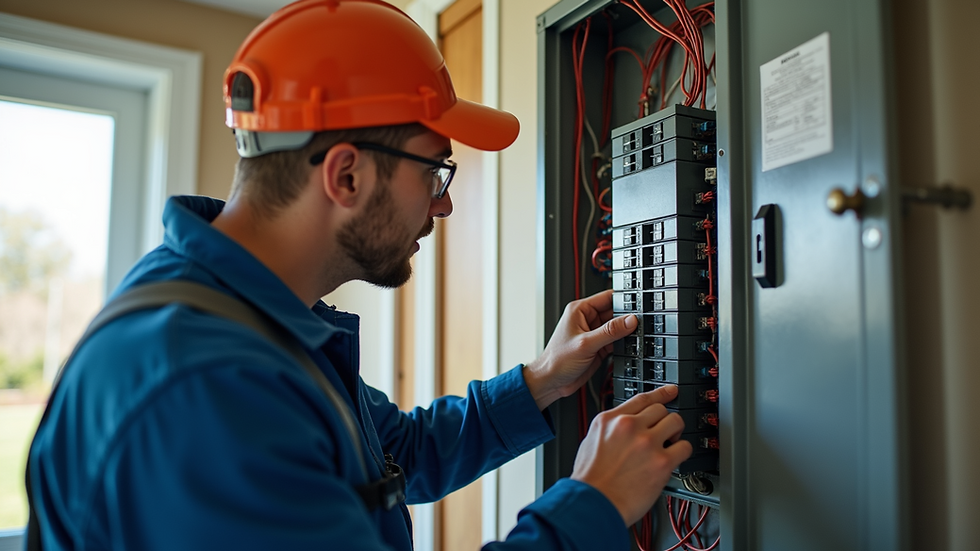
Knowing the components of your home's electrical system is the first step. It includes the main panel, circuit breakers, wiring, outlets, and switches. Each part plays a role in delivering power safely.
Main Panel: Controls power distribution.
Circuit Breakers: Protect circuits from overload.
Wiring: Carries electricity throughout the home.
Outlets and Switches: Provide access and control.
Check your panel regularly for signs of wear or damage. Look for rust, corrosion, or loose wires. If you notice anything unusual, call a professional immediately.

Inspect and Test Electrical Outlets and Switches
Outlets and switches are used daily. They can wear out or become unsafe over time. Test them regularly to ensure they work properly.
Use a voltage tester to check outlets.
Replace any outlets that feel warm or show discoloration.
Tighten loose switches and outlets.
Install tamper-resistant outlets if you have children.
Faulty outlets can cause shocks or fires. Do not ignore flickering lights or buzzing sounds from switches.
Schedule Regular Professional Inspections
Hiring a licensed electrician for routine inspections is crucial. They can spot hidden issues and perform necessary repairs safely.
Schedule inspections every 3-5 years.
Ask for a detailed report on your system’s condition.
Request upgrades if your system is outdated.
Regular inspections help prevent emergencies. Professionals can also advise on energy-saving improvements.
Upgrade Your Electrical System When Needed
Older homes may have outdated wiring or panels. Upgrading improves safety and supports modern appliances.
Replace old knob-and-tube or aluminum wiring.
Upgrade to a higher-capacity panel if you add new appliances.
Install ground-fault circuit interrupters (GFCIs) in wet areas.
Add arc-fault circuit interrupters (AFCIs) for bedroom circuits.
Upgrades reduce fire risk and improve system reliability. Consult a professional to plan the best upgrades for your home.
Practice Safe Electrical Habits Daily
Simple habits can protect your electrical system and your family.
Avoid overloading outlets with multiple devices.
Use surge protectors for sensitive electronics.
Keep cords in good condition; replace frayed or damaged ones.
Do not run cords under rugs or furniture.
Turn off appliances when not in use.
These actions reduce wear and prevent hazards. Teach everyone in your home about electrical safety.
When to Call a Professional
Some tasks require expert skills. Do not attempt complex repairs yourself.
If you smell burning or see sparks.
When breakers trip frequently.
If outlets or switches are hot to touch.
For rewiring or panel upgrades.
When installing new electrical fixtures.
Licensed electricians have the tools and knowledge to handle these safely. Contact J&D Florida Electrical Contractor, LLC for reliable service in Collier, Lee & Marco Island.
Maintaining your home’s electrical system is a continuous process. Follow these steps to keep your system safe and efficient. Regular care protects your investment and ensures peace of mind.
For more detailed guidance on electrical system maintenance, visit our website or contact us today.


Comments